KwickPhone for Auto Glass Repairs · Emergency call handling

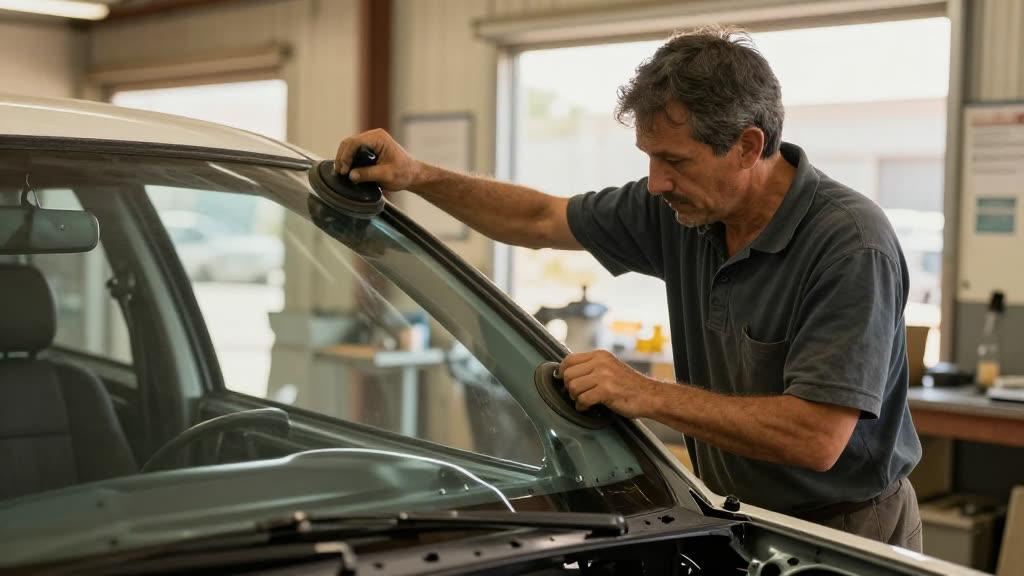
Urethane's curing, both hands on the glass, phone ringing

An AI agent that triages every emergency glass call, calms the driver, and gets a tech moving while your hands stay on the windshield.

Emergency call handling for Auto Glass Repairs — KwickPhone answers the phone

You're forty minutes into a windshield replacement. The urethane bead is laid, the glass is set, and you cannot let go for the next several minutes or the bond is compromised and the job comes back. That's exactly when the phone goes off. It's a driver on the side of the highway with a rock chip that just starred across their line of sight, or a fleet manager whose box truck failed inspection that morning. They need someone now. You can't answer, so it rings out, and by the time you've got your hands free and call back, they've already booked the shop two exits down. The most urgent, highest-intent calls you get are the ones you're physically least able to take.

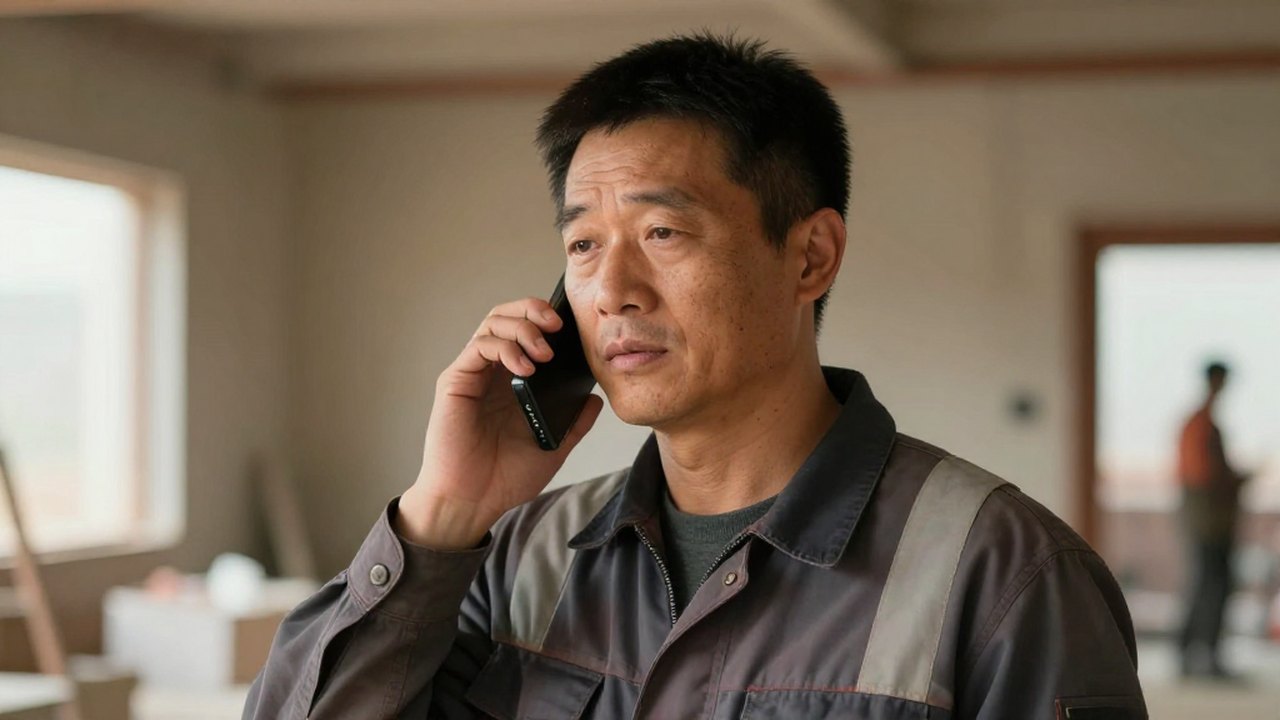
KwickPhone answers that call on the first ring, in English, Spanish, or Chinese, and it actually handles it instead of taking a message. It asks the questions a tech would ask: where's the damage, is it in the driver's sightline, is the glass cracked through or just chipped, is the vehicle drivable, where are you right now. It keeps a panicked caller calm with plain steps, figures out whether this is a same-day mobile dispatch, a tow-in, or a chip repair that can wait till tomorrow, and it writes the whole thing down with the vehicle's year, make, and model so the right glass and the right tech are lined up before anyone calls them back. It only speaks from your real service info and pricing, never invents a quote, and when something's outside what it knows it says a person will confirm and flags it to you.

For auto glass specifically, this matters more than in almost any trade, because your work and your phone are mutually exclusive. A plumber can pause; you cannot pause a curing windshield or a calibration in progress. Emergency glass calls are also genuinely time-sensitive and emotional in a way a clogged drain isn't, a chip in the driver's view is a safety and legal problem, and a shattered side window is a vehicle that can't be left overnight, so the caller is shopping fast and the first competent voice usually wins. KwickPhone is built to be that first competent voice when both your hands are committed.
How it works

Emergency call handling for Auto Glass Repairs, handled.

Real calls

What it sounds like for auto glass repairs.

1

A commuter calls from the shoulder of the freeway: a truck kicked up a rock and now there's a spreading crack right across the driver's side. KwickPhone first confirms she's safely off the road, then asks how long the crack is and whether it's growing, recognizes it's in her sightline and past a repairable size, and books an urgent same-day windshield replacement with her location and vehicle logged, telling her exactly when a tech can reach her.

2

A fleet manager calls because one of his delivery vans failed inspection over a chip in the wiper sweep and he needs it back on the route today. KwickPhone gets the van's year and make, notes it's a small repairable chip rather than a full crack, and slots it as a quick chip repair, flagging the fleet account so you can prioritize a vehicle that's losing money every hour it sits.

3

Someone's side window got smashed in a parking lot overnight and they're worried about leaving the car exposed. KwickPhone calms them, explains that side glass is a different job from windshield work, captures the vehicle details and whether it's drivable, and books the soonest opening while noting the broken-out window so the tech brings the right tempered glass and a vacuum.

4

A caller with a newer SUV asks for a windshield replacement and mentions a camera behind the mirror. KwickPhone records the ADAS camera, flags that a calibration will be required after the glass goes in, and books the job with that note attached so it's scheduled with calibration time built in rather than discovered when the tech arrives.

Emergency call handling for a auto glass repair — answered by KwickPhone
Built for auto glass repairs

Your whole phone, handled.

Urethane's curing, both hands on the glass — the next chip-repair caller goes to a competitor. KwickPhone answers every call for your auto glass repair business — not just emergency call handling, but the everyday requests that keep ringing in:

Every call is picked up 24/7 in English, Spanish & Chinese, with no hold music — and each order, booking or quote is written straight into the POS you already run, or KwickPhone’s own built-in POS if you don’t have one. No missed calls, no voicemail, no lost auto glass repair jobs.

Why it pays off

What auto glass repairs get.

More ways KwickPhone helps Auto Glass Repairs

Every auto glass repair call, handled.

Questions
Can it actually tell a repairable chip from a crack that needs full replacement?
It asks the triage questions a tech would, the size of the damage, whether it's a chip or a running crack, and whether it sits in the driver's sightline, and it sorts the call accordingly. It doesn't pretend to make a final repairability ruling, your tech confirms that on arrival, but it gets the call into the right bucket and captures enough detail that you're rarely caught off guard.
Will it know when a job needs ADAS calibration?
It asks whether the windshield has a camera or sensors behind the mirror and notes the vehicle's year and model, which flags that a calibration is likely needed. That note rides along with the booking so calibration time is built into the schedule. It won't claim a specific calibration is or isn't required on its own, it surfaces the flag and your tech confirms the exact procedure.
Can it dispatch mobile service to where the caller is stranded?
Yes, it follows the dispatch rules you set, including how far you'll travel and what hours mobile is offered, and it captures the caller's exact location. It won't promise a mobile slot that doesn't fit your coverage or schedule. If the request is outside your rules it books a shop visit or flags it for you to decide instead of over-committing.
What happens with insurance claims, will it try to handle those?
It can note that a customer intends to use insurance and capture the basics, but it does not file claims, confirm coverage, or quote what insurance will pay. Those details vary too much to guess at honestly. It records the intent, tells the caller a person will walk them through the claim, and flags it so you follow up.
How does it keep a panicked driver on the line instead of scaring them off?
It leads with safety, confirming the caller is off the road and out of traffic before drilling into damage questions, and it speaks in plain, calm steps rather than jargon. The goal is to make a stressed caller feel handled in the first ten seconds. If the situation is genuinely an emergency beyond glass, it points them to call emergency services rather than trying to manage it.
Will the booking actually show up in my system or do I have to re-enter it?
It writes the appointment or dispatch straight into your scheduling with the location, contact, damage triage, and vehicle details attached. If you don't run a scheduling system, KwickPhone can hold and organize the jobs for you. Either way you're not transcribing a voicemail, the complete job is already there for the assigned tech.
What if it doesn't know the answer to something a caller asks?
It says so honestly, takes the caller's callback information, and notifies you with the open question attached. It's built to never invent a price, a part fit, or a calibration claim. On safety work that honesty is the point, a caller who's told the truth and gets a quick human follow-up trusts you more than one who got a confident wrong answer.

No POS yet? KwickPhone can be your POS too — a built-in register, orders & menu in one place. Already on a POS? Orders write straight back into it.