AI Phone Answering for Mexican Restaurants (2026)
Picture Friday at 12:30. Your line cook is building burritos faster than the printer can keep up, your server is juggling four tables, and the phone starts ringing. Once. Twice. Four times. The caller—a regular who always orders the carne asada bowl with extra guac—hangs up on the fifth ring and pulls up a competitor's app instead. Two minutes later, the phone rings again. And again. By the time anyone can grab it, three orders have walked out the door they never came through.
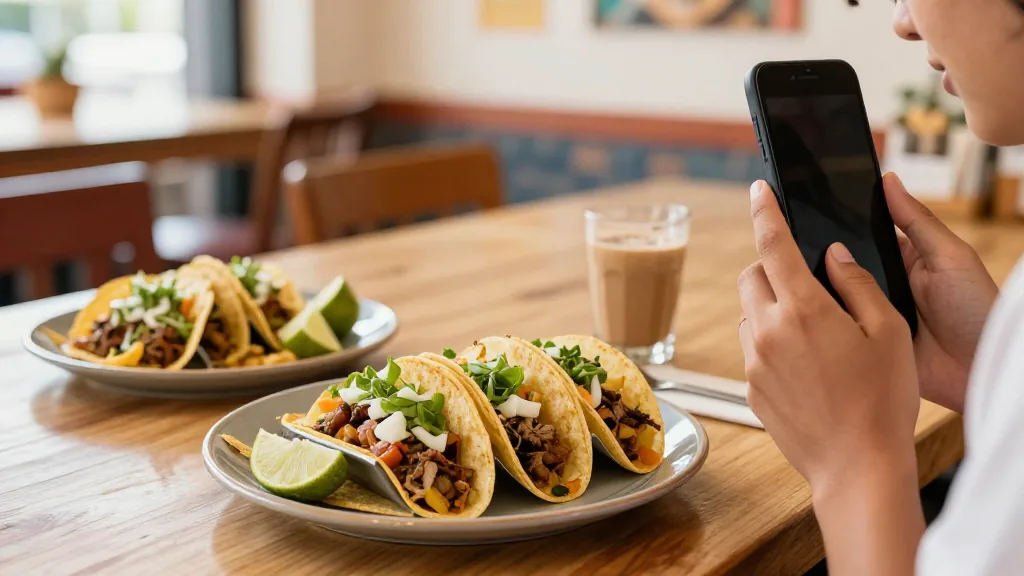
That scenario plays out every lunch and dinner rush at Mexican restaurants across the country. Not because the food isn't good. Not because the staff isn't trying. Because a human being can only answer one call at a time, and the rush doesn't wait. AI phone answering for Mexican restaurants breaks that constraint: software that picks up every call the instant it rings, talks with callers the way a seasoned host would—in English, Spanish, or Chinese—and places the finished order directly into the POS so the kitchen sees it without anyone re-keying a thing.
This guide covers what to look for, how the technology actually works, and the questions worth asking before you commit to any vendor.
Why the Phone Still Drives Revenue—and Why Mexican Restaurants Lose More of It
Mexican restaurants are among the most call-heavy businesses in food service. The format drives it: families planning a large dinner, office workers who need a pickup order ready in twenty minutes, Spanish-speaking regulars who prefer the phone over an English-language app. Every one of those callers wants a fast, accurate answer from someone who knows the menu.
When the phone goes unanswered—or when a rushed staff member misses a modifier, quotes the wrong price, or struggles through a language barrier—you aren't just losing a ticket. You're losing a regular. At a Mexican restaurant, where comfort-food loyalty runs deep and word-of-mouth travels fast, that's worth taking seriously.
The Language Gap That's Costing You Orders
Here's the issue that separates Mexican restaurants from most other food-service contexts: a meaningful share of your callers may be more comfortable speaking Spanish. A caller who can't easily explain their protein choice, or who can't confirm whether the enchilada sauce contains dairy, may simply hang up and find somewhere easier to order from. Hiring Spanish-fluent staff for every shift isn't always possible, and pressing one for Spanish connects callers to a recording, not a conversation.
KwickPhone detects which language the caller is using within the first few sentences and switches automatically—no button presses, no "please hold while we transfer you." The conversation continues in Spanish (or English, or Chinese) with the same menu knowledge, the same modifier options, and the same kitchen ticket at the end. For a caller ordering in their first language, the difference is immediate and obvious.
What Actually Happens on an AI-Answered Call
It's worth walking through a real call, because the gap between a polished demo and a system that works under real conditions is wide.
The Caller Speaks; the AI Understands
The caller says: "Yeah, I want the carnitas burrito, no rice, extra beans, and—actually, can you make that a bowl? And add guac." A real AI phone assistant handles that mid-sentence correction without missing a beat. It tracks everything said in the conversation, maps each choice to the actual items and modifiers in your POS, and reads the order back for confirmation before committing. It won't miskey "no rice" as "add rice," and it won't invent a modifier that doesn't exist on your menu.
The Order Fires to the Kitchen Without Human Re-entry
This is the step that separates a useful system from a glorified voicemail. When the call ends, the finished order should appear on your kitchen printer or KDS exactly as a server would have entered it—no staff member touching a keyboard to make it happen. KwickPhone completes orders natively inside KwickOS, or integrates directly with Square, Clover, Loyverse, Epos Now, and Revel, so the ticket lands where your kitchen already looks.
A phone bot that cannot reach your POS is a fancy transcription service. The value is in completing the task end-to-end: order on the kitchen line, reservation in the floor plan, nothing left on a sticky note for someone to re-key later.
Mexican Menus Are Complex—and Why Grounding Matters
Modifier depth is higher at a Mexican restaurant than at most other formats. A single burrito might involve: protein (carnitas, pollo, carne asada, barbacoa, tofu), rice choice, bean type (black or pinto), salsa level (mild, medium, hot, verde, habanero), and extras (guacamole, sour cream, cheese, jalapeños, pico). Each of those choices must map to the exact item and option your POS expects—not a guess, not a close match.
An AI system that isn't grounded on your real menu will invent options, quote a price you changed last month, or stall when someone asks for the rotating seasonal special. KwickPhone is grounded on your actual menu data, so when you're out of a protein or you've added a new salsa for the summer, the system knows. Callers only hear options that exist, and orders only contain modifiers your kitchen can execute.
Concurrent Calls: Where the Real Rush-Hour Revenue Hides
One person on the phone can answer one call. Every additional caller during the rush either waits, goes to voicemail, or gives up. The table below illustrates how these scenarios differ:
| Rush-hour scenario | Staff-answered phone | KwickPhone AI |
|---|---|---|
| Four simultaneous calls at 12:30 PM | Three go to voicemail or disconnect | All four answered instantly, in parallel |
| Caller needs to check the menu before ordering | Line tied up; other callers hang up | That caller served; others answered simultaneously |
| Caller orders entirely in Spanish | Staff may miss modifiers; caller frustrated | Conversation continues natively in Spanish |
| Prank order with a large fake address | Kitchen makes it; wasted food and time | Pattern detected; order not placed; caller flagged |
| Caller asks if guac is included or extra | Rushed answer may be wrong | Answered from live menu data; no guesswork |
The concurrency benefit is where the most recoverable revenue lives for a busy Mexican restaurant—not in any single call, but in all the calls that used to stack up while your team was taking a table's order or running food.
Knowing When to Hand the Call to a Human
A well-built AI phone system knows what it shouldn't handle on its own. KwickPhone transfers the call to a staff member when:
- The caller asks for a person—caller preference always wins, immediately.
- The order is unusually large: a catering request for forty, a party calling to customize a group menu, a corporate lunch order with special invoicing.
- A known VIP or regular is on the line and deserves a personal touch from someone who knows them.
- The request is outside what it can safely handle—a complaint that needs a manager, an unusual allergy situation requiring staff judgment.
This design keeps your team available for the calls that genuinely need them, rather than pulling them away from the floor to take a routine pickup order the AI could handle in thirty seconds.
Setup: Your Number, Your Customers, No Disruption
There is no phone number change. The number on your Google listing, your menus, your Yelp page, and your regulars' contact lists stays exactly where it is. You forward calls to the AI line—on most landlines, this is a short code like *72 followed by the forwarding number to activate and *73 to deactivate, though exact codes vary by carrier so confirm with yours. On VoIP, it's a single field in your provider's dashboard.
You can forward all calls, only the calls your staff don't answer within a set number of rings, or only calls outside business hours—so the AI handles the overnight and early-morning inquiries while your team takes the floor during service. Either way, callers hear a natural voice on the first ring, not a voicemail greeting.
Owner Controls: Make It Sound Like Your Restaurant
The point is not to replace your restaurant's personality with a generic voice. KwickPhone gives you the controls to make the AI feel like a natural extension of your team:
- 20+ voices and persona options so you can choose the voice that fits your brand—warm and neighborhood-familiar for a family-run spot, crisp and efficient for a fast-casual location.
- Per-merchant Playbooks that encode how your restaurant runs: always offer the chips-and-salsa add-on at pickup, never promise under 25 minutes on a Friday, route catering inquiries to the manager, mention the weekend special before closing the order.
- Voice management commands so you can update hours, flag a sold-out protein, or pause phone ordering during a private event—without logging into a dashboard mid-service.
Hear it handle a real Mexican restaurant order
KwickPhone answers every call, speaks Spanish natively, and places the order straight into your POS—or bolts onto Square, Clover, Loyverse, Epos Now, or Revel. Call our live demos at /#try to hear real lines, not canned recordings.
Book a demoFrequently Asked Questions
Can the AI handle a complex Mexican menu with lots of modifiers and protein choices?
Yes. The AI is grounded on your actual menu data—proteins, salsas, bean types, add-ons, and all modifier combinations. It will only offer options that actually exist in your POS, and it handles mid-sentence corrections like "actually make that a bowl" without losing track of the rest of the order.
What if a caller wants to order in Spanish?
KwickPhone detects the caller's language within the first few sentences and switches automatically—no button presses, no transfers. It handles calls natively in English, Spanish, and Chinese, so a Spanish-speaking regular gets the same fluent, patient experience as any other caller, and their order maps to the same kitchen ticket.
Will it recognize a large catering order and transfer to a staff member?
Yes. Orders that are unusually large, flagged as catering, or from a known VIP are transferred to a human rather than completed automatically. The AI catches the high volume of routine calls so your team can give full attention to the ones that actually need a person.
Does it work with the POS I already use?
KwickPhone works natively inside KwickOS and bolts onto Square, Clover, Loyverse, Epos Now, and Revel as an open service. The finished order fires directly into the system your kitchen already watches, with no manual re-entry.
Do I have to change my restaurant's phone number?
No. You keep your existing number and forward calls to the AI line—on most landlines with a short code like *72 (codes vary by carrier; confirm with yours), or via a single setting in your VoIP dashboard. You can forward all calls, only unanswered ones, or only after-hours calls.
Related: the complete guide to AI phone answering for restaurants and the best AI phone answering services for restaurants in 2026.