Turn Google Reviews Into Repeat Customers (2026)
Every morning, a new review lands on your Google Business Profile. A hotel guest complains about the noise from the room above hers. A salon client raves about her highlights. A plumber gets four stars with a quiet note about arriving late. That review is public the instant it posts — visible to every person in your city who searches your category. And the clock is already running. Potential customers who read it are already forming opinions. The question isn't whether you care. It's whether you find out in time to do anything about it.
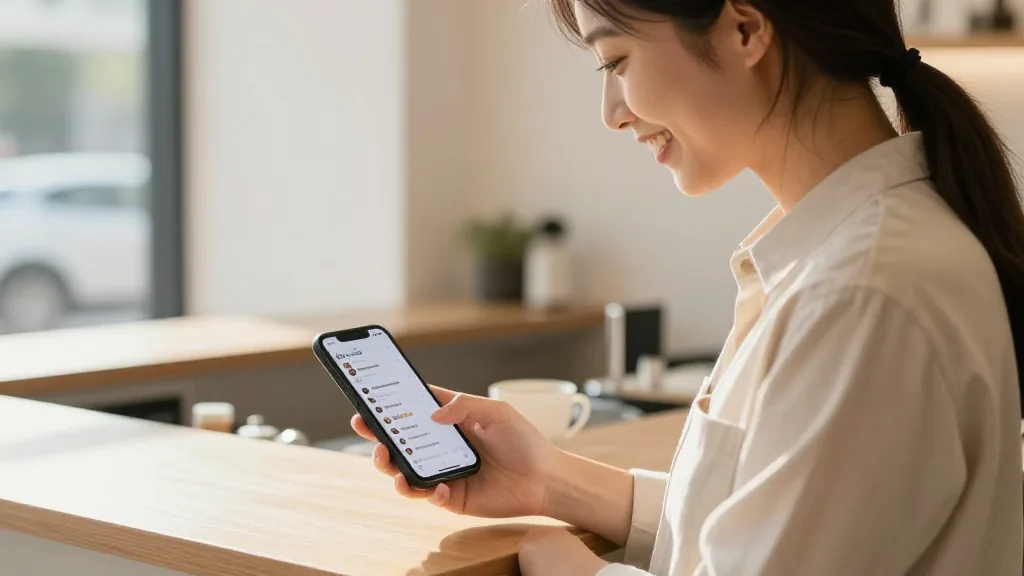
This article explains the concrete cost of slow review responses, why Google's local algorithm rewards businesses that engage quickly, and how KwickPhone's AI surfaces new reviews and drafts on-brand replies you approve — so the whole cycle can close in minutes instead of days. Examples pull from home services, repair shops, salons, clinics, hotels, and retail, because the pattern holds across every local business that lives on its reputation.
The silent cost of the unanswered review
Ask owners across any trade and the story is the same: they meant to reply, but by the time they remembered to log in to Google, thought of something worth saying, and made time to type it, three days had passed and the moment felt stale. Over the course of a year, that adds up to dozens of unanswered reviews — and each one is a missed conversation.
Home services: the 3-star that converts browsers into callers
For an HVAC technician or a plumber, reviews are often the first thing a homeowner reads after a Google search. A 3-star review that mentions "the tech showed up late but did solid work" is genuinely an opportunity. A fast, professional reply — acknowledging the delay, explaining the unusual circumstance, inviting the customer to call directly next time — can tip the next reader from uncertain to confident. Leave it unanswered and that same reader assumes no one is home.
Salons and beauty studios: new clients scroll before they book
A first-time client looking for a colorist reads your last eight reviews before booking. If three of them have no owner reply, she starts to wonder whether the business is still active. A 5-star review with a two-sentence thank-you that mentions the stylist's name does double duty: it confirms the listing is current and it makes the reviewer feel recognized, nudging them toward a repeat appointment.
Clinics and medical offices: doubt forms at the worst moment
A new patient researching a dental office or med-spa is making a trust decision, not just a convenience one. An unreplied negative review — even a vague one about waiting room time — can create doubt at exactly the moment she's deciding whether to trust you with her health. A measured, empathetic reply that invites her to call and resolve the issue doesn't just address that reviewer; it demonstrates to every future reader how your practice handles concern.
Hotels and short-term rentals: travelers book on their phone
Travelers scroll reviews on mobile before confirming a booking. A cluster of unreplied reviews — especially ones mentioning noise, cleanliness, or check-in friction — reads as institutional indifference. Even a one-sentence "thank you, we've passed your feedback to the team" signals that a real person is paying attention.
Auto repair shops: communication is the job
A repair shop may do flawless mechanical work and still collect a 3-star review because the wait wasn't explained. A timely reply that acknowledges the communication gap — and offers a direct line for the customer's next visit — can be the deciding factor for a second-chance booking. The car was fixed; the reply closes the loop on the experience.
Why your response speed is a ranking signal
Google has stated publicly that responding to reviews is one of the factors it considers when ranking businesses in local results. The logic is transparent: businesses that reply consistently and promptly are more likely to be active, operating, and worth recommending. An engaged profile signals a live listing — not an abandoned page that happens to still rank.
There is also a compound effect that goes beyond the algorithm. A thoughtful reply to a negative review doesn't just address that reviewer — it shapes how every future reader interprets the criticism. "We're sorry, here's our direct line" lands differently than silence. A reply to a strong positive review makes that reviewer feel recognized, increases the likelihood they return, and shows prospective customers that real relationships exist behind the listing.
Speed multiplies both effects. A reply that arrives the same day the review was posted — while the reviewer and their network are still paying attention — is more likely to generate follow-on engagement than one that arrives four days later. The window for making an impression is short, and the businesses that close it consistently are the ones that tend to rank well over time.
Speed compounds. A reply posted the same day a review lands reaches the reviewer while the experience is still fresh — and while their friends and family are still reading it. Same-day responses outperform three-day responses not because of the words, but because of the timing.
What "respond to Google reviews with AI" actually looks like
KwickPhone connects to your Google Business Profile integration and monitors your listing continuously. The moment a new review posts — at 11pm on a Tuesday, on a holiday weekend, any time — the system surfaces it to you with a drafted reply already written and ready to approve.
You do not need to log in to Google, check a notifications panel, or set a calendar reminder to review your profile once a week. The review comes to you. The draft comes with it. Your job is to read, edit if you want, and approve — or discard it and write your own. Nothing posts to your listing without your explicit sign-off.
The same workflow covers Yelp through the Yelp integration, so you handle both platforms in one place rather than toggling between separate dashboards and separate notification streams.
How KwickPhone drafts replies that actually sound like your business
The obvious risk with any AI-drafted text is the generic, copy-paste reply that a reader spots from three lines away: "Thank you for your feedback! We appreciate your business and hope to see you again soon." Nobody is moved by that. It signals automation, not care.
KwickPhone avoids this through Playbooks — per-merchant instructions that tell the system how your business communicates. Before the system drafts anything, it knows your brand voice (warm and personal, or crisp and professional?), your standard service commitments, the phrases your team actually uses, and the escalation path for reviews that need a manager's attention rather than a standard reply.
The result reads like you wrote it in a thoughtful two minutes. A plumbing company's reply mentions its service guarantee and local dispatch line. A hotel's reply references the specific amenity the guest mentioned and offers the front desk's direct number. A salon's reply thanks the client by first name if it appeared in the review and names the stylist if the reviewer did. The AI reads the reviewer's actual words, understands the sentiment, and composes a response calibrated to that specific experience — not a form letter dropped into a field.
You hold the pen. The system does the noticing and the drafting; you do the judgment. For any review that raises something genuinely sensitive — a detailed complaint about a specific staff member, a mention of a billing dispute — the Playbook can flag it for direct owner review rather than suggesting a standard draft.
The one-click approval loop: you control every word
The workflow is designed to be fast without being opaque. A new review arrives; you see the review text, the star rating, and the drafted reply in a single notification. You can approve as-is, edit specific sentences, or reject the draft entirely and write your own. Once you approve, the reply posts to your Google Business Profile. The loop — from the moment the review lands to the moment your reply is live — can close in the time it takes to read the original review and glance at the suggested text.
Owner controls extend beyond the reply itself. The 20+ voice options and persona settings that govern KwickPhone's phone calls also shape the tone of drafted review replies — so the AI that answers your phone at midnight sounds consistent with the AI that drafted your Monday-morning response to a 2-star review. Your brand voice is a single setting, applied everywhere.
What a faster reply achieves — across every trade
| Trade | Common review trigger | What a same-day reply achieves |
|---|---|---|
| Plumbing / HVAC | 3-star: "Work was fine but arrived late" | Acknowledges delay, offers direct line — converts next searcher from uncertain to confident |
| Salon / beauty | 5-star: "Love my highlights!" | Names stylist, invites rebooking — makes reviewer feel recognized, drives repeat visits |
| Auto repair | 3-star: "No one explained the wait" | Closes the communication gap publicly — next reader sees accountability, not silence |
| Hotel / rental | 2-star: "Noisy room, no one helped" | Empathetic reply with direct contact — shows institutional care before next traveler books |
| Dental / clinic | 4-star: "Long wait but great dentist" | Thanks patient, notes scheduling improvement — offsets the ding in tone without disputing it |
| Retail shop | 5-star: "Staff was so helpful" | Names staff member if mentioned — reinforces team culture, visible to every browser |
The pattern is consistent: the reply doesn't change the original star rating, but it shapes how every future reader interprets it. A business that engages looks alive, accountable, and worth the risk of a first visit.
Where reviews come from: the call your AI answered at 10 pm
Review replies are only half the loop. The reviews themselves — and especially the 5-star ones — tend to come from experiences where the customer felt heard and served. That starts with the phone call.
KwickPhone answers every call 24/7, handling as many simultaneous lines as ring at once — so the caller who reaches you at 10 pm on a Tuesday gets a real response instead of voicemail. It takes orders, books appointments, and collects deposits by voice, by SMS text, and by email — all three channels, same AI, completing the action rather than just taking a message. It speaks English, Spanish, and Chinese, switching automatically when it detects the caller's language. For calls that are unusual, large, or from a VIP, it transfers to a human; for anything prank or abusive, it declines gracefully and flags the number.
The caller who reached you after hours, got her appointment confirmed, and received a text reminder the next day — she's the one who leaves the 5-star review that says "so easy to book, even late at night." And KwickPhone is now watching for that review and ready to draft the reply.
The by-trade hub at /for/ walks through how the full system is configured for your specific business type — from the Playbook settings to the forwarding setup. The integrations directory at /integrations/ lists every connector, its current status, and the credentials each one requires; check there directly to see what's live for your stack.
Connecting your existing profiles: no new account, no new number
Nothing about this setup requires you to rebuild what you already have. Your Google Business Profile stays exactly as it is; KwickPhone connects to it through the Google Business Profile integration — surfacing reviews and posting approved replies without you ever leaving the KwickPhone interface. Your Yelp listing connects the same way, through the Yelp connector.
Your phone number doesn't change. You forward calls to the AI line using a standard call-forwarding code — commonly *72 on a landline, followed by the forwarding number, then *73 to disable it — though the exact codes vary by carrier, so confirm with yours. On VoIP you point the number in your provider's dashboard. Forward all calls, only calls you don't pick up, or only after-hours calls — whichever matches how you run the floor. The AI covers the gaps; your team handles what needs a human touch.
When you're ready to explore what's available for your business type, the KwickPhone blog has trade-specific guides covering the full setup from forwarding to Playbooks. And you can call our live demo lines at /#try — real AI, real calls, not a canned recording — before committing to anything.
See reviews surface and replies draft in real time
KwickPhone monitors your Google Business Profile and Yelp listing, drafts on-brand replies you approve, and answers every call 24/7 — so fast responses become a habit rather than a task. Curious how it sounds on a live call? Try our demo lines at /#try.
Book a demoFrequently asked questions
How does KwickPhone detect new Google reviews?
It connects to your Google Business Profile and monitors it continuously. The moment a new review posts — at any hour — it surfaces the review and delivers a drafted reply for your approval, with no manual login required on your end.
Can I edit or reject an AI-drafted review reply?
Yes, always. Every draft is a suggestion. You read it, edit individual sentences, or discard it entirely and write your own. Nothing posts to your listing without your explicit approval — the AI handles the noticing and drafting, you handle the judgment.
Do AI-drafted replies look generic to customers?
Not when they're grounded in your Playbook. The system reads the reviewer's specific words, understands the sentiment, and applies your brand voice, service policies, and business name. A plumber's reply sounds different from a salon's reply, and both sound like a real person who read the review — not a copied template.
Does KwickPhone handle Yelp reviews as well as Google?
Yes. The same monitoring and drafting workflow covers Yelp through the Yelp integration, so you see new reviews from both platforms in one place without toggling between separate dashboards.
How do faster review replies help my local search ranking?
Google has stated that responding to reviews is a signal it uses in local ranking. Consistent, timely engagement across a range of review sentiments signals a live, well-managed listing. Speed amplifies the effect: a reply that arrives while the reviewer and their social circle are still paying attention is more likely to generate follow-on engagement than one that arrives days later.
Related: managing online reviews as a small business, AI phone answering for restaurants, and how to book appointments by phone with AI.