AI Phone Ordering for Sushi & Japanese Restaurants
A sushi phone call is rarely simple. One caller wants a spicy tuna roll and two orders of edamame; the next asks whether the yellowtail is served raw; a third wants to know if you do omakase on a Thursday and book a table for two. Miss any of those calls during the dinner rush and the order—and often the guest—goes elsewhere. AI phone ordering for sushi and Japanese restaurants answers every one of those calls, understands what's being asked, and completes the task instead of just taking a message.
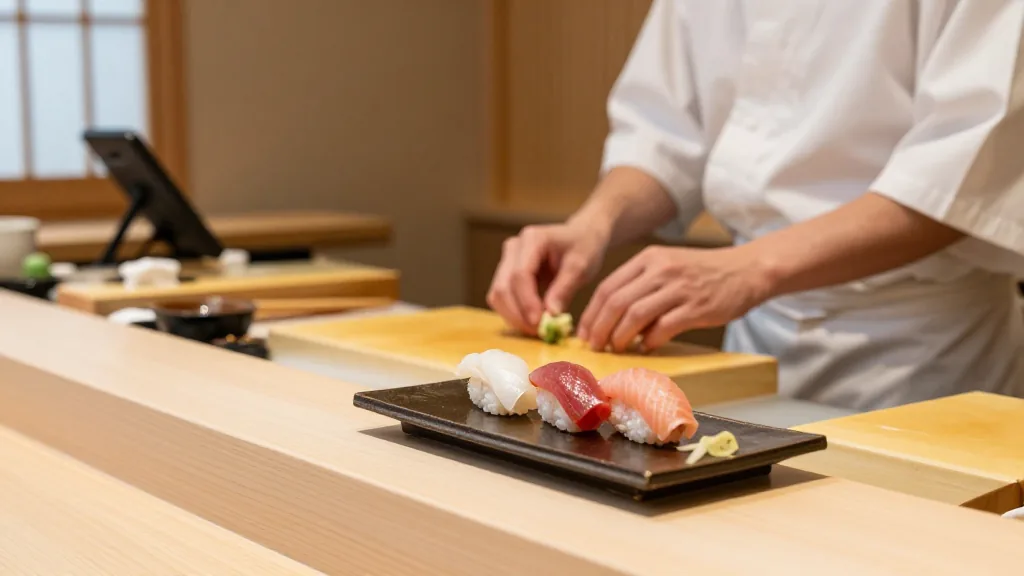
Here's how it works for the specific way sushi and Japanese kitchens take orders, field questions, and seat guests.
It speaks the language of a sushi menu
Sushi ordering has its own vocabulary, and callers mix it freely: signature and classic rolls, à la carte nigiri and sashimi by the piece, hand rolls, donburi, ramen, bento, and combination platters. The AI understands these requests the way a seasoned host would—"a dragon roll, two pieces of salmon nigiri, and a miso soup"—and builds the order item by item, including modifiers like no spicy mayo, brown rice, or sauce on the side.
Omakase and reservation inquiries, handled
Many Japanese restaurants run on more than takeout. Guests call to ask about omakase—what's available, which seatings, whether there's counter space—and to book a table. The AI can answer those questions from what you've told it and take the reservation in the same call, so a single phone call can turn into a confirmed booking rather than a voicemail someone has to return hours later.
Allergen and raw-fish questions answered consistently
Sushi callers ask careful questions: Is this served raw or cooked? Is there shellfish in the roll? Do you have a gluten-free soy option? The AI answers these from the information you provide about your menu, every time, in the same accurate way—so a new guest gets the same clear answer your most experienced server would give, even when the floor is slammed.
Important: the AI answers allergen and preparation questions from the details you configure about your own menu—it never guesses. You stay in control of what it's allowed to say.
Orders and reservations land natively in your POS
This is the part that separates real automation from a fancy answering machine. KwickPhone places each order and reservation directly into your point-of-sale—no notepad, no staff re-keying, no transcription mistakes on a roll name during the rush. The ticket fires to the sushi bar and kitchen the moment the call ends, and the table shows up on your floor plan. What the caller said is what the kitchen sees.
Multilingual, and never busy
Japanese restaurants serve diverse neighborhoods, and KwickPhone answers in multiple languages so a guest can order comfortably in the language they prefer. It also picks up every call at once—it's never busy, never on hold, and never rings out to voicemail. During a Friday dinner rush, when your team can't get to the phone, the AI is still taking complete orders and booking tables.
Native to KwickOS, and it bolts onto what you run
KwickPhone is native to the KwickOS platform, so the voice AI and the POS are one system end to end. But you don't have to switch to use it. KwickPhone also bolts onto the ordering systems many sushi and Japanese restaurants already run—including Square, Clover, Loyverse, Epos Now, and Revel—so you can add complete phone ordering without replacing the setup behind your counter.
Hear it take a sushi order yourself
KwickPhone answers every call, handles rolls, omakase questions, and reservations, and places them natively into your POS—or bolts onto the system you already run. Call a live demo now at (346) 273-2935.
Book a demoRelated reading: AI phone ordering for pizza shops and building an AI restaurant reservation system.